Kitchen Backsplash: Types, Materials, and How to Choose
Cooking naturally creates splashes, stains, and heat exposure on kitchen walls. Without proper protection, these surfaces can become dirty, damaged, and difficult to maintain over time. A kitchen backsplash solves this problem by acting as a protective layer between the cooking area and the wall.
Beyond protection, a kitchen backsplash also improves the overall appearance of the kitchen. It brings together the cabinets, countertops, and wall design into one cohesive look. Whether the kitchen design is modern, simple, or classic, the backsplash plays an important role in completing the space both functionally and visually.
Key Takeaway
- A kitchen backsplash protects kitchen walls behind the stove, sink, and countertop from oil splashes, water stains, food spills, and heat exposure during daily cooking.
- A well-designed kitchen backsplash improves the overall kitchen look by linking cabinet design, countertop material, and wall finishes into one cohesive style.
- Sintered stone backsplash is highly durable, heat-resistant, non-porous, and suitable for heavy cooking areas because it resists stains and requires minimal maintenance.
- Quartz stone backsplash offers strong durability, moisture resistance, hygienic surface properties, and a clean consistent finish that suits modern kitchen designs.
- The right kitchen backsplash should be selected based on cooking frequency, heat exposure areas, and coordination with cabinetry and countertop materials for long-term practicality.
What Is a Kitchen Backsplash?
A kitchen backsplash is the protective surface installed on the wall behind kitchen countertops, sinks, and cooking areas. Its main purpose is to shield walls from splashes caused by cooking activities such as frying, boiling, and washing.
Beyond functionality, the kitchen backsplash has become a key design element in modern kitchens. It can be simple and minimal or bold and decorative depending on the homeowner’s style preference.
Common installation areas include:
- Behind stove cooking zones
- Behind kitchen sinks
- Full wall backsplash covering entire countertop length
Why a Kitchen Backsplash Matters in Daily Use
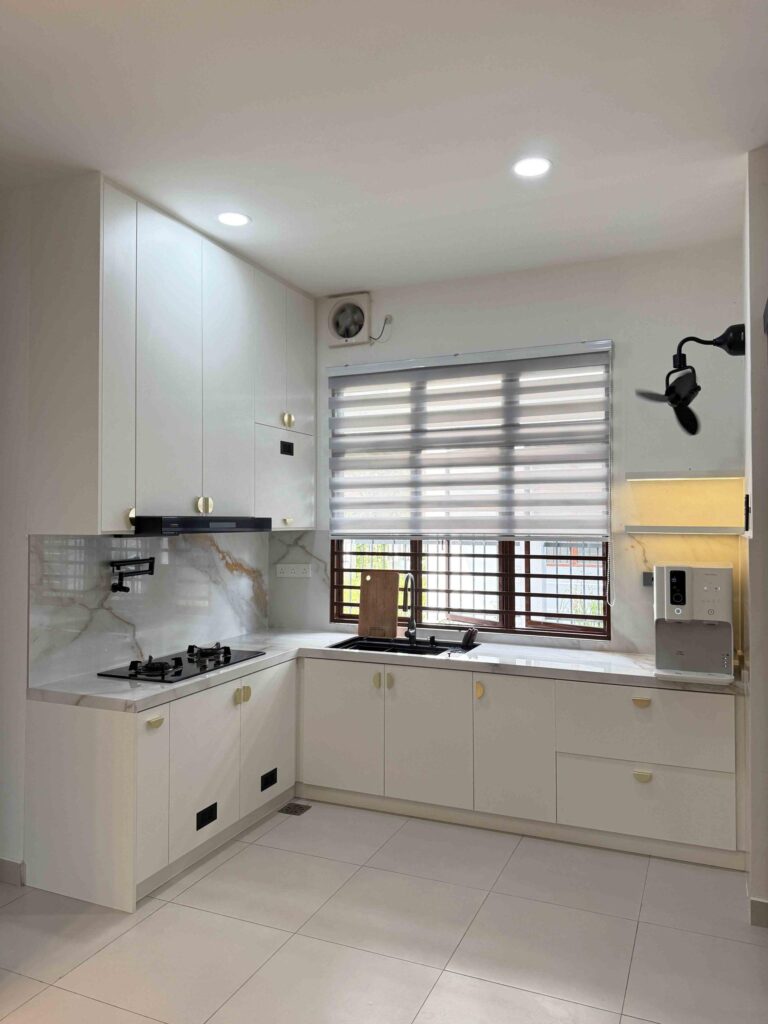
Many homeowners underestimate the importance of a backsplash until daily kitchen use begins. A proper kitchen backsplash provides several practical benefits:
1. Wall Protection
Cooking inevitably leads to oil splashes, water stains, and food spills. A backsplash protects painted or plastered walls from permanent damage.
2. Easier Cleaning
Instead of scrubbing stubborn stains off walls, a backsplash allows quick wipe-down cleaning using a damp cloth.
3. Heat Resistance
Areas behind stoves are exposed to heat. Certain backsplash materials help prevent heat damage and discoloration.
4. Aesthetic Enhancement
A well-chosen backsplash elevates the entire kitchen design, making it look more complete and more premium.
5. Value Addition
A stylish kitchen backsplash can increase perceived property value, especially in modern home designs.
What Is the Difference Between Wall Tile and Backsplash?
| Feature | Wall Tile | Backsplash |
| Purpose | General wall covering and basic aesthetics | Protection against oil, heat, and water splashes |
| Placement | Any kitchen wall area | Focused behind stove, sink, and countertop |
| Heat & Oil Resistance | Depends on tile type, not always heat-optimized | Selected for high exposure to heat and grease |
| Cleaning Frequency | Occasional cleaning | Frequent wiping due to cooking activity |
| Design Function | Visual consistency | Functional + protective + design highlight |
2 Types of Kitchen Backsplash Materials from ACE Cabinet Design
When selecting a kitchen backsplash, material choice is one of the most important decisions as it directly affects durability, maintenance, and long-term kitchen performance.
1. Sintered Stone Kitchen Backsplash
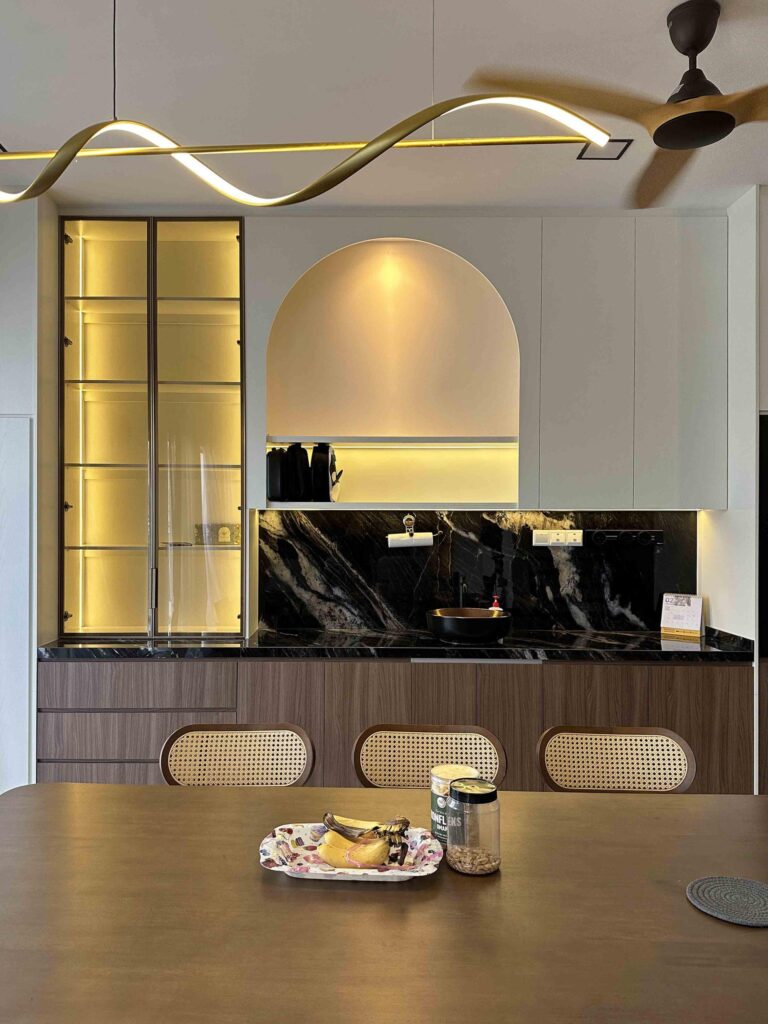
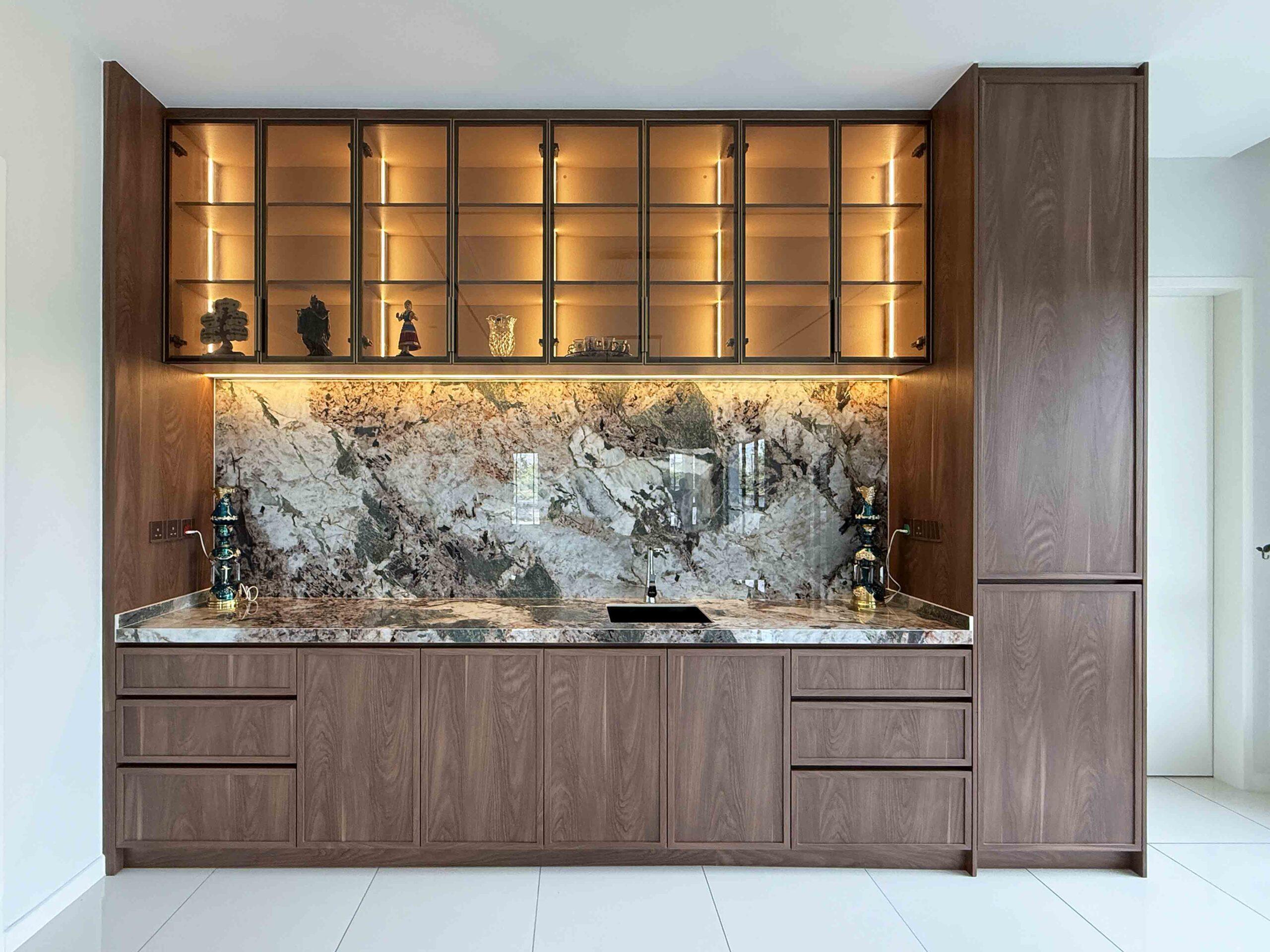
A sintered stone kitchen backsplash is a premium surface material made through high heat and pressure processing, creating an extremely dense and durable finish. It is non-porous, highly resistant to heat, stains, and scratches, making it suitable for high-use cooking areas such as behind the stove and sink.
One of the main advantages of a sintered stone kitchen backsplash is its seamless and modern appearance. It can also be installed as a full-height backsplash for a more continuous and luxury kitchen design. Its surface does not easily absorb liquids, making cleaning simple and fast.
Key benefits:
- Extremely durable and heat-resistant
- Non-porous and stain-resistant surface
- Seamless, premium modern look
- Very low maintenance
2. Quartz Stone Kitchen Backsplash
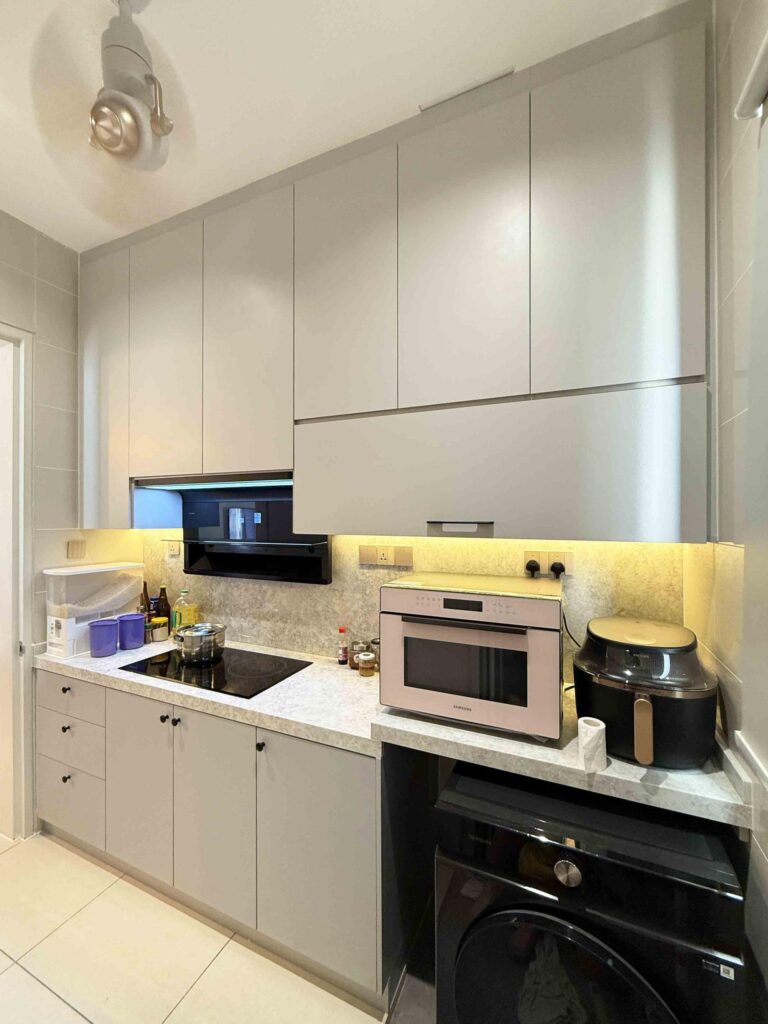
A quartz stone kitchen backsplash is an engineered surface made from natural quartz combined with resin, offering strong durability and a clean, consistent appearance. It is widely used in modern kitchens due to its balance of strength and design flexibility.
A quartz stone kitchen backsplash is also non-porous, which helps prevent staining from oil, food, and water. It works well in both functional and decorative kitchen designs, especially when matched with quartz countertops for a cohesive look.
Key benefits:
- Strong and long-lasting material
- Non-porous and hygienic surface
- Resistant to stains and moisture
- Easy to maintain and clean
How to Select the Best Backsplash for Your Kitchen
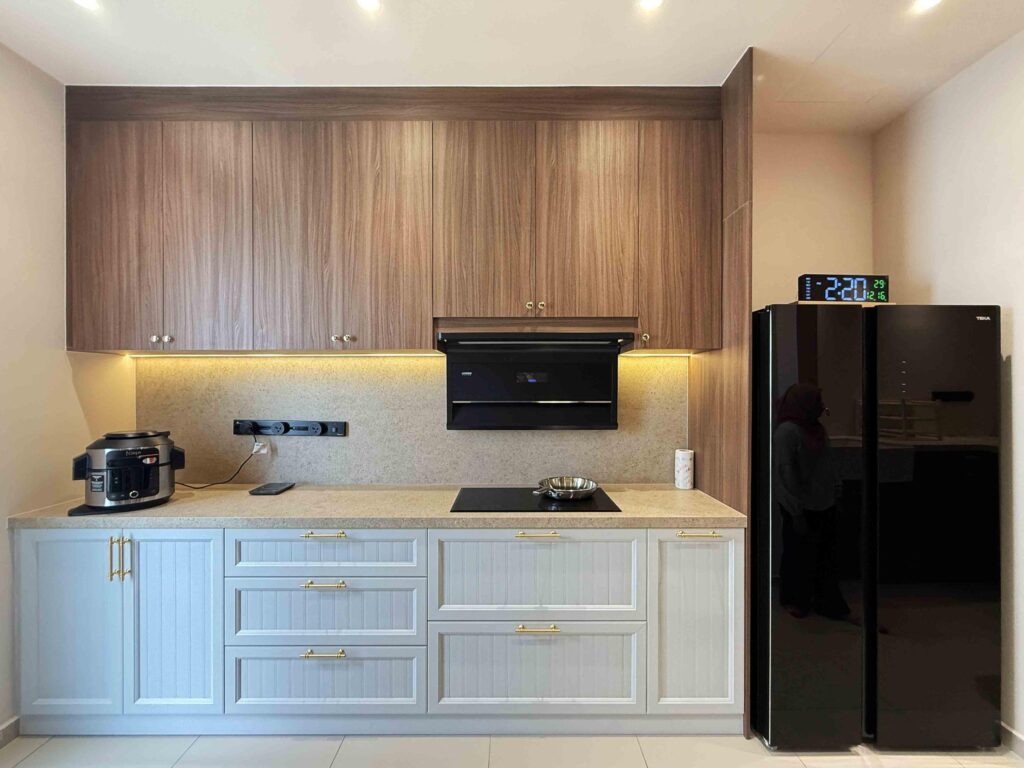
Choosing the right kitchen backsplash depends on daily cooking habits, kitchen layout, and long-term maintenance expectations. Since this surface is constantly exposed to heat, oil, and water, both function and design must be considered together.
1. Evaluate Cooking Usage
Start by understanding how the kitchen is used daily. For frequent cooking, a durable kitchen backsplash is essential, especially behind the stove where heat, oil, and splashes are most intense. In this case, both sintered stone and quartz stone are suitable because they are strong, non-porous, and easy to clean.
2. Match Overall Kitchen Design
Next, focus on design coordination. The kitchen backsplash should complement cabinets and countertops to create a balanced and cohesive kitchen look. A seamless material like sintered stone creates a continuous visual flow, while quartz stone provides a clean and polished finish that works well with most cabinet styles.
3. Consider Maintenance Level
Lastly, consider maintenance. A good kitchen backsplash should not require complicated care. Smooth, non-porous surfaces help reduce dirt buildup and make daily cleaning quick and effortless, especially in high-use cooking areas.
Common Kitchen Backsplash Mistakes to Avoid
Even with good material selection, poor planning can reduce the effectiveness and appearance of a kitchen backsplash. These are the most common mistakes to avoid:
1. Choosing Based on Appearance Only
A common mistake is selecting a kitchen backsplash purely based on looks. While design is important, the material must also be able to withstand heat, oil, and daily cooking conditions.
2. Ignoring High-Heat Cooking Areas
The stove area is the most exposed zone in the kitchen. Choosing the wrong kitchen backsplash material for this area can lead to staining, discolouration, or surface damage over time.
3. Poor Material Coordination
A mismatch between cabinets, countertops, and backsplash can make the kitchen look disconnected. A kitchen backsplash should always be planned as part of the full kitchen design, not as a separate element.
4. Incomplete Wall Coverage
Another mistake is not extending the kitchen backsplash far enough. Key cooking zones, especially behind the stove and sink, should be fully covered to ensure proper wall protection and easier maintenance.
Conclusion
A well-designed kitchen backsplash is one of the most effective ways to protect your kitchen walls, improve daily usability, and elevate the overall look of your cooking space. Instead of treating it as a minor finishing detail, the right backsplash plays a key role in creating a kitchen that is both practical and visually cohesive.
When properly planned, a kitchen backsplash works together with cabinetry and countertops to ensure the entire kitchen feels more unified and well-designed. Material choice also makes a long-term difference, with sintered stone and quartz stone offering strong durability, easy maintenance, and a clean modern finish suitable for everyday cooking environments.
If you are planning to upgrade your kitchen, investing in a well-designed kitchen backsplash solution ensures better functionality, easier maintenance, and a more refined overall result that adds lasting value to the home.
Looking for a Custom Kitchen Cabinet Design with the Right Backsplash?

ACE Cabinet Design offers free on-site measurement and free quotation to ensure every design is accurately planned according to your kitchen space, layout, and daily usage needs. Our team will guide you through a customised design process, from layout planning to material selection, ensuring your kitchen backsplash and cabinetry work seamlessly together for both function and style.
For a more personalised experience, you are welcome to contact ACE Cabinet Design today to schedule a free consultation or visit our showrooms.
🔗 Explore more of our designs and services at acecabinetdesign.com.my
FAQs
1. What is a kitchen backsplash used for?
A kitchen backsplash is used to protect kitchen walls from oil, water, and heat generated during daily cooking. It also helps make cleaning easier while improving the overall look of the kitchen.
2. What are the best materials for kitchen backsplash?
The two most reliable options for a kitchen backsplash are sintered stone and quartz stone. Both materials are durable, non-porous, and suitable for high-use cooking areas.
3. Is a kitchen backsplash necessary if I already have wall tiles?
Standard wall tiles may not always be designed for high-exposure cooking zones. A kitchen backsplash provides stronger protection, especially behind the stove and sink where heat, oil, and moisture are more concentrated.
4. Which is better for kitchen backsplash: sintered stone or quartz stone?
A sintered stone kitchen backsplash offers a more seamless, ultra-modern finish with high durability, while quartz stone provides a clean, versatile, and practical surface suitable for most kitchen designs.
5. How long does a kitchen backsplash last?
A properly installed sintered stone or quartz stone kitchen backsplash can last many years with minimal maintenance, making it a long-term investment for kitchen durability and hygiene.