Best Tips for Creating an Environmentally Friendly House Design

Creating an environmentally friendly house design not only benefits the planet but also enhances comfort and safety, as well as reduces utility costs.
Here are key tips to consider when aiming for sustainability in your home:
1. Choose Sustainable Materials

Renovating your home in an eco-friendly way starts with choosing materials that are good for the planet. Here’s how you can make smart choices:
1.1 Super E0 Grade Particle Boards for Cabinets
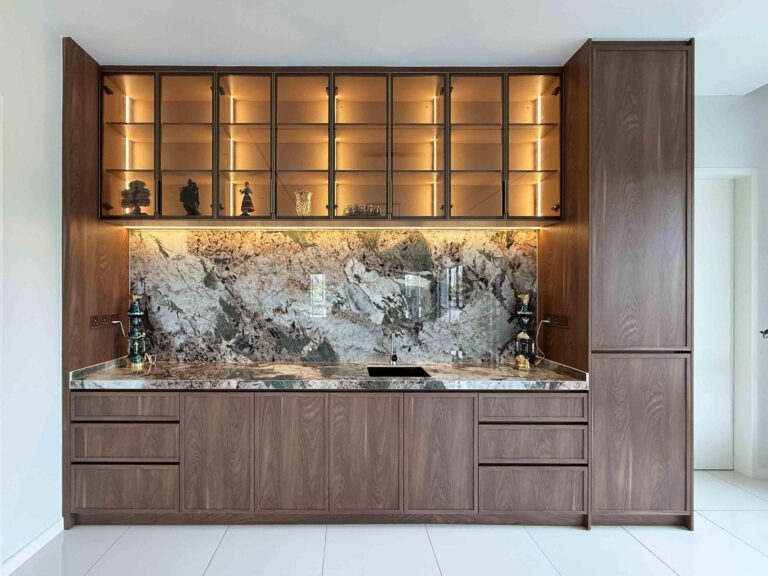
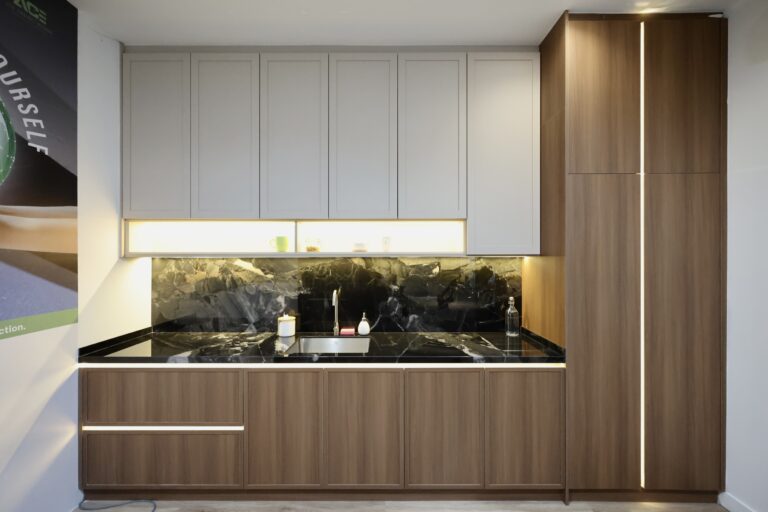
When renovating your home, choosing the right materials for your cabinets is crucial for both sustainability and indoor air quality. Super E0 grade particle boards are an excellent option for eco-friendly renovations. These boards are made from recycled wood fibers and have an ultra-low formaldehyde emission rate, which is significantly lower than standard particle boards.
Formaldehyde is a common chemical found in many building materials, but high levels of it can be harmful to your health, leading to issues like respiratory problems or allergies. By choosing Super E0 grade particle boards, you’re ensuring that your cabinets are both environmentally responsible and safer for your indoor air quality. They’re not only durable and cost-effective but also align with the principles of green building, making them a smart choice for an environmentally friendly home.
1.2 Eco-Friendly Furniture
Furnishing your home with eco-friendly furniture is another essential step in sustainable renovation. Eco-friendly furniture is made from materials and processes that minimize environmental impact. This could include using reclaimed or sustainably sourced wood, bamboo, or recycled materials. Additionally, eco-friendly furniture often avoids the use of harmful chemicals like VOCs (volatile organic compounds) and formaldehyde, which can off-gas into your home and degrade indoor air quality.
Choosing eco-friendly furniture not only supports a healthier environment but also adds unique, high-quality pieces to your home that are built to last. Whether it’s a dining table made from reclaimed wood or a sofa with natural, non-toxic upholstery, eco-friendly furniture helps create a home that is both stylish and sustainable.
1.3 Low VOC Paints and Finishes
Traditional paints and finishes can release harmful chemicals, called VOCs (volatile organic compounds), into the air. These chemicals can cause headaches, dizziness, or even long-term health issues. Thankfully, in an environmentally friendly house design, you can opt for eco-friendly paints and finishes that have very low or no VOCs. Choosing these options helps keep the air inside your home healthier, which is especially important for kids, pets, or anyone with allergies or asthma. And the best part? Low VOC paints still come in a wide range of colors and finishes, so your home will look just as beautiful—only now, it’s healthier for you and the environment.
2. Prioritize Energy Efficiency

Incorporating energy-efficient elements is a key component of an environmentally friendly house design. Not only does it help protect the planet, but it also leads to significant savings on utility bills. Here’s how you can make your home both sustainable and cost-effective:
2.1 Solar Panel
By installing solar panels on your roof, you can tap into the sun’s energy to power your home. Solar panels convert sunlight into electricity, which means you don’t have to rely as much on traditional power from the grid, which often comes from burning fossil fuels. Over time, this can lead to big savings on your electricity bills, and in some cases, you might even produce more energy than you use, allowing you to sell it back to the grid. It’s a renewable, clean energy source that also makes your home more self-sufficient.
2.2 LED Lighting
A simple yet impactful change in an environmentally friendly house design is switching to LED bulbs throughout the home. LED lights use far less electricity than traditional bulbs and have a much longer lifespan. This means you’ll save money on both energy use and replacement costs, all while reducing the overall environmental impact of your home.
2.3 High-Efficiency Appliances
When shopping for new appliances like refrigerators, washing machines, or dishwashers, look for the Energy Star label. Appliances with this rating are designed to use less water and electricity without compromising performance. For example, a high-efficiency washing machine will clean your clothes just as well as a regular one but with less water and energy. Over time, these savings add up, and you’ll be conserving resources while lowering your utility costs.
3. Embrace Green Building Practices

Building an environmentally friendly house design means thinking about sustainability from the very start, both in the planning and construction phases. Here are a few practical ways to do this:
3.1 Passive Solar Design
By carefully positioning your house to maximize natural sunlight, you can effectively reduce the need for artificial lighting and air conditioning, creating a more energy-efficient home suited to Malaysia’s tropical climate. For instance, large windows facing east or southeast can capture the gentle morning sun, while strategically placed overhangs and shading devices can protect your home from the intense afternoon heat. This thoughtful design approach not only saves energy but also enhances indoor comfort, keeping your home cooler and well-lit throughout the year.
3.2 Rainwater Harvesting
In an environmentally friendly house design, installing a rainwater harvesting system lets you collect and store rainwater that would otherwise go to waste. This water can then be used for things like watering your garden, flushing toilets, or even cleaning. It’s a great way to conserve water, reduce your environmental impact, and lower your utility bills, especially during dry seasons.
3.3 Green Roof
Adding a green roof to your home means covering it with plants and vegetation. Not only does this provide extra insulation to keep your home warmer in winter and cooler in summer, but it also helps absorb rainwater, reducing stormwater runoff. Plus, green roofs help clean the air by absorbing carbon dioxide and releasing oxygen, making them a win-win for both your home and the environment.
Advantages of Environmentally Friendly House Design
1. Reduced Energy Costs
Eco-friendly homes are designed to save energy, meaning you’ll spend less on electricity and heating. They use things like solar panels, better insulation, and energy-saving appliances that help keep your home comfortable without relying on as much power. Over time, these features can lead to big savings on your utility bills.
2. Positive Environmental Impact
Building an eco-friendly home is great for the environment. These homes are made with sustainable materials like bamboo or reclaimed wood, which reduces the need to cut down more trees. They also use water-saving features and produce less waste during construction. By reducing energy use and waste, eco-friendly homes help protect natural resources and reduce pollution, which is better for the planet.
3. Improved Indoor Air Quality
Environmentally friendly homes use safer materials that don’t release harmful chemicals into the air, like low VOC paints and non-toxic finishes. This means the air inside your home is cleaner and healthier to breathe, which can help prevent allergies or breathing problems. These homes also often include better ventilation systems and materials that resist mold and dust, making your living space even healthier.
Conclusion
In conclusion, embracing an environmentally friendly house design offers a range of benefits that extend beyond just saving money. By choosing sustainable materials, prioritizing energy efficiency, and incorporating green building practices, you not only create a healthier and more comfortable living space but also contribute positively to the environment. These eco-friendly choices lead to reduced energy costs, improved air quality, and a smaller carbon footprint, making your home a more responsible and enjoyable place to live. By committing to these principles, you’re not only enhancing your own living environment but also helping to protect the planet for future generations.
ACE Cabinet Design’s Commitment to Sustainability

At ACE Cabinet Design, we prioritize sustainability in every project. Our eco-friendly cabinetry solutions utilize responsibly sourced materials and low-emission finishes, ensuring your kitchen contributes to a healthier environment. Designing an environmentally friendly house involves thoughtful planning and a commitment to sustainable practices. By choosing sustainable materials, prioritizing energy efficiency, and embracing green building practices, homeowners can create a residence that is both eco-friendly and comfortable.
Moreover, we prioritize the use of eco-friendly materials that ensure you and your family live in a safe and healthy environment. For example, we’re known for our top-quality, low formaldehyde Super E0 melamine material. In 2021, we successfully rebranded with a focus on sustainability in the post-pandemic era. Since then, we’ve continued to prioritize quality while diversifying our range of materials, including the introduction of E1 melamine. In a remarkable milestone achieved in 2023, ACE Cabinet Design became the first company in Malaysia to launch the Super E0 melamine board, further solidifying our position as the premier choice for eco-conscious homeowners. Click here to explore our completed projects and see how we can transform your space!
Contact Us Today
Whether you are looking to remodel your TV Console, make new additions, or construct a home for the first time, we are committed to helping create a safe and eco-friendly environment in your home for you and your loved ones.
Contact us today to schedule a free consultation and quotation to get the best home solutions for your cabinetry and furnishing needs.