
Child-Friendly Cabinets: 7 Tips for a Safer Home
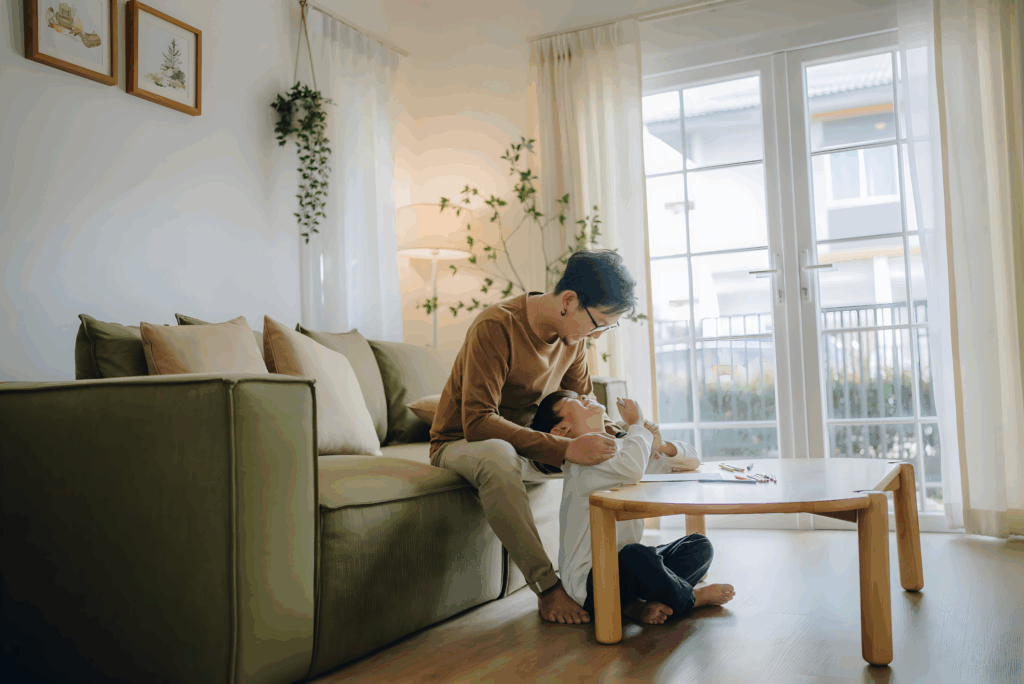
Creating a safe home for children involves more than covering electrical sockets or installing safety gates. Everyday furniture, including kitchen cabinets, wardrobes and storage units, can also affect children’s safety and well-being. Sharp corners, unsecured tall cabinets, and heavy drawers may cause accidents, while the materials used in furniture can influence indoor air quality over time.
That is why choosing child-friendly cabinets requires looking beyond appearance. The right cabinet design should help prevent everyday injuries, support a healthier indoor environment, and remain practical as your children grow. From rounded corners and secure installations to low-formaldehyde materials and easy-to-maintain finishes, here are seven ways to create a safer, healthier home for your family in the long run.
Key Takeaways
- Child-friendly cabinets help create a safer home by reducing everyday furniture hazards while supporting your family’s changing needs.
- Rounded corners and curved cabinet edges can help reduce the risk of accidental bumps, especially in areas where children frequently play or walk.
- ENF-grade cabinet boards are designed to meet strict formaldehyde emission standards and can help support better indoor air quality when combined with good ventilation.
- Tall cabinets, wardrobes, and bookshelves should be securely anchored to suitable wall structures to reduce the risk of tip-over accidents.
- Child-safety locks and soft-close hinges or drawer runners can help improve cabinet safety by restricting access to hazardous items and reducing slamming.
- Adjustable shelves, removable dividers and accessible storage compartments can make cabinets more practical as children grow, and their storage needs change.
- Durable, easy-to-clean cabinet materials and properly finished edges can help cabinets withstand everyday use while making maintenance easier.
- When designing a family-friendly home in Malaysia, consider cabinet safety, material emissions, durability, storage requirements and ease of maintenance together.
- There is no one-size-fits-all child-friendly cabinet design. The right solution depends on your children’s ages, your family’s lifestyle, available space, and the materials and features best suited to your home.
7 Tips to Create a Safer Home for Your Kids
1. Choose Curved Cabinets and Rounded Corners to Reduce Sharp Edges
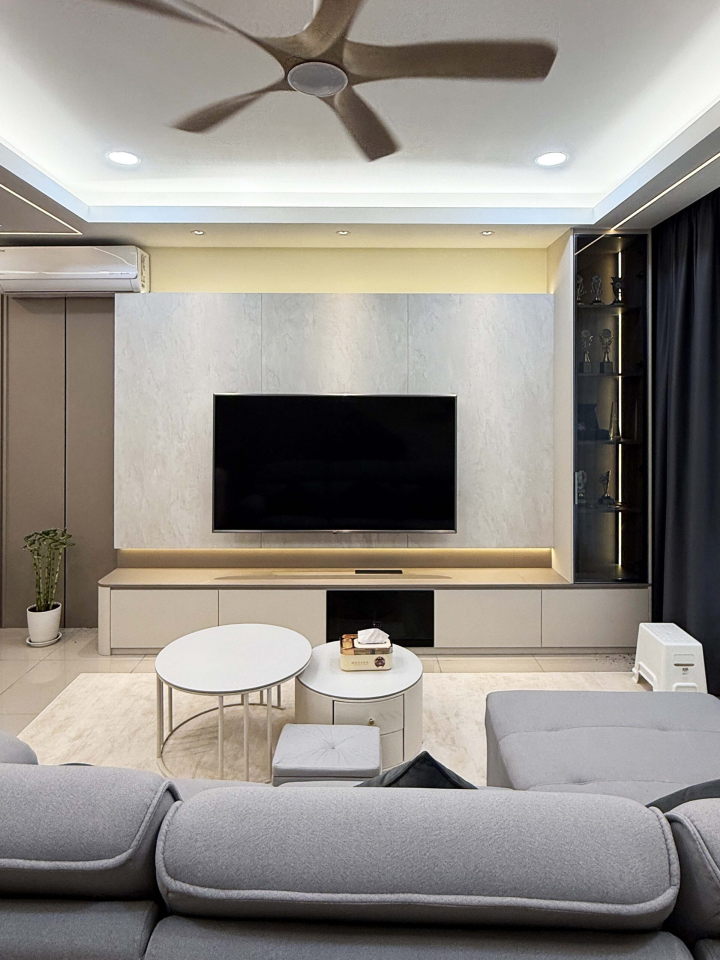
When planning your cabinets, prioritise rounded corners for low-level furniture that children may frequently walk past, such as TV consoles, kitchen islands and bedside cabinets. Avoid placing sharp-edged furniture along narrow walkways or near active play areas to reduce the risk of accidental bumps.
Read Why Curved Cabinets Are the New Trend in Modern Homes for more ideas on incorporating curved cabinetry into your home.
2. Choose ENF-Grade, Low-Formaldehyde Cabinet Materials for Better Indoor Air Quality
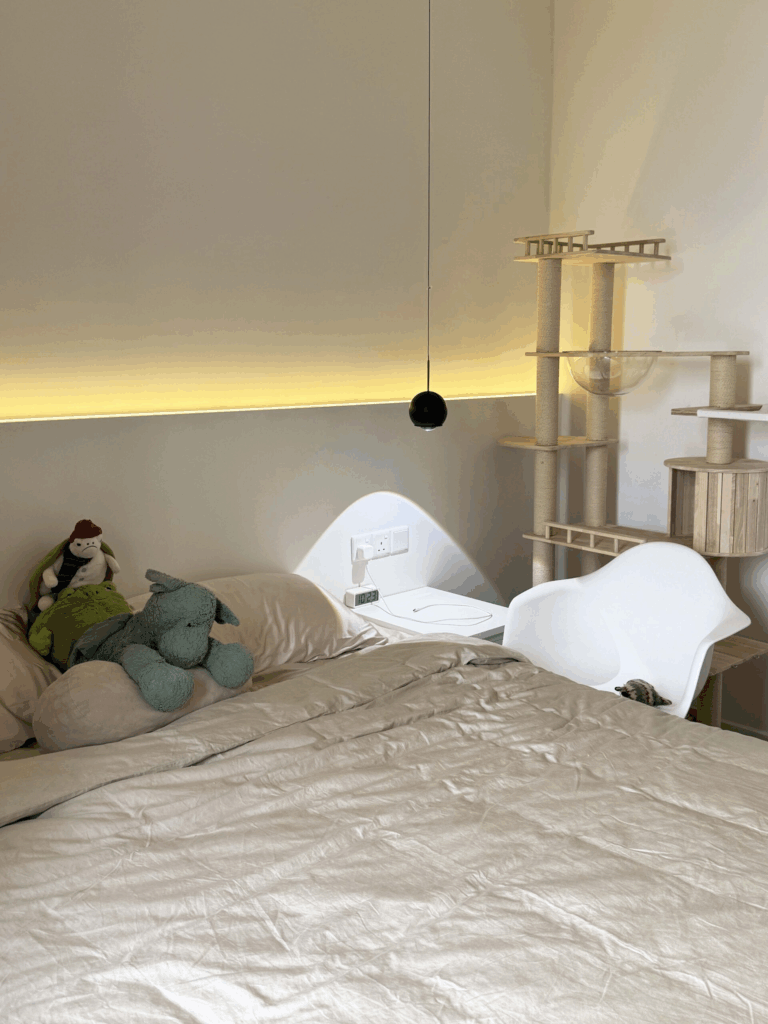
When choosing cabinets for your family, look beyond the surface finish and check the materials used inside. ENF is a formaldehyde emission grade that indicates very low formaldehyde emissions from wood-based boards. Choosing ENF-grade boards can help reduce formaldehyde emissions from your cabinetry, supporting better indoor air quality for your family.
Read The Ultimate Guide to ENF Board to understand ENF-grade materials and explore Formaldehyde in Furniture: Myths and Facts to learn more about formaldehyde emissions and how to choose cabinet materials for a healthier home.
3. Secure Tall Cabinets and Shelves to Prevent Tip-Over Accidents
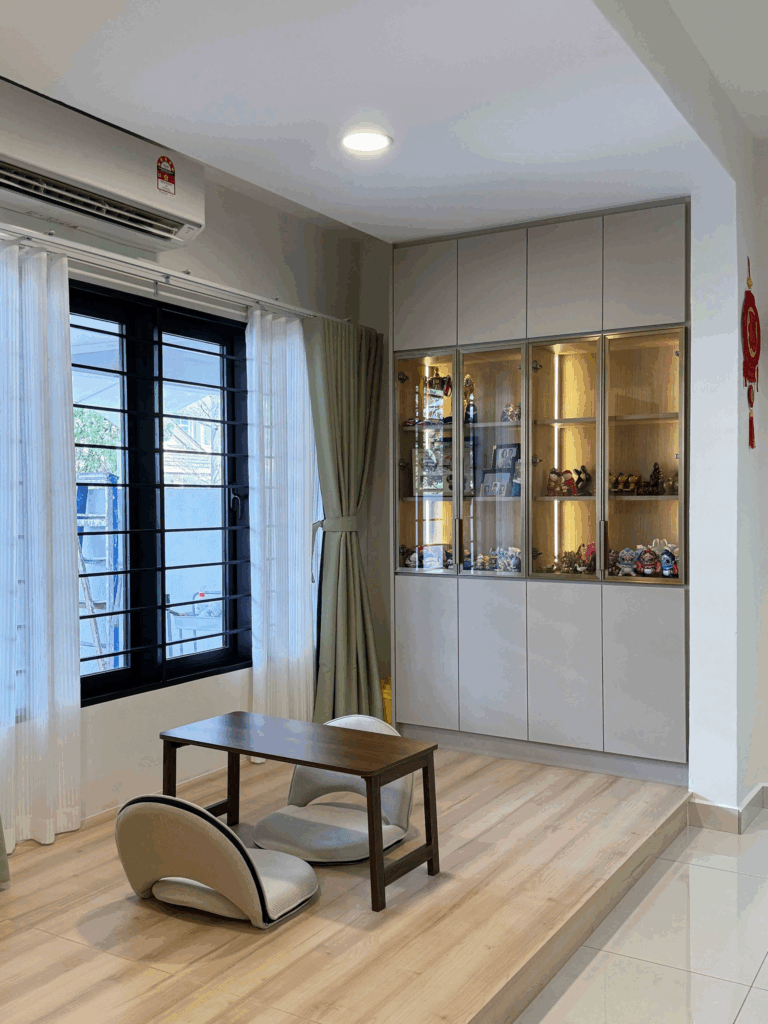
Tall wardrobes, bookshelves, and storage units can become dangerous if children pull on drawers or try to climb them. Secure these units to suitable wall structures using appropriate anti-tip brackets and fixings. You can also keep heavier items on lower shelves and place frequently used belongings within easy reach to discourage climbing.
When planning custom cabinets, consider the unit’s height, weight distribution, and installation requirements from the beginning. Proper anchoring is essential, even for built-in cabinetry, to help keep tall storage units stable.
4. Install Child-Safety Locks on Cabinets and Drawers
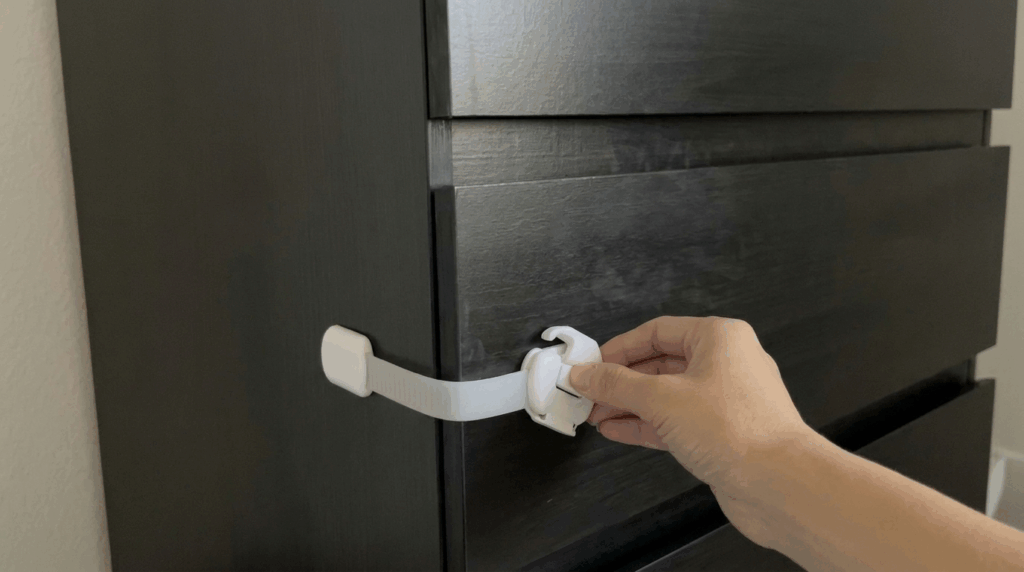
Kitchen and bathroom cabinets often contain cleaning products, medicines, sharp utensils and other items that children should not access unsupervised. Install suitable child-safety locks or latches on these cabinets, keep hazardous products in their original containers, and store them securely. Remember that locks are an additional safeguard, not a replacement for adult supervision.
When planning your cabinet layout, identify which compartments will store potentially hazardous items and which will hold everyday essentials. This helps you decide where safety locks are needed while keeping frequently used storage convenient for adults.
5. Choose Soft-Close Cabinet Doors and Drawers to Reduce Slamming
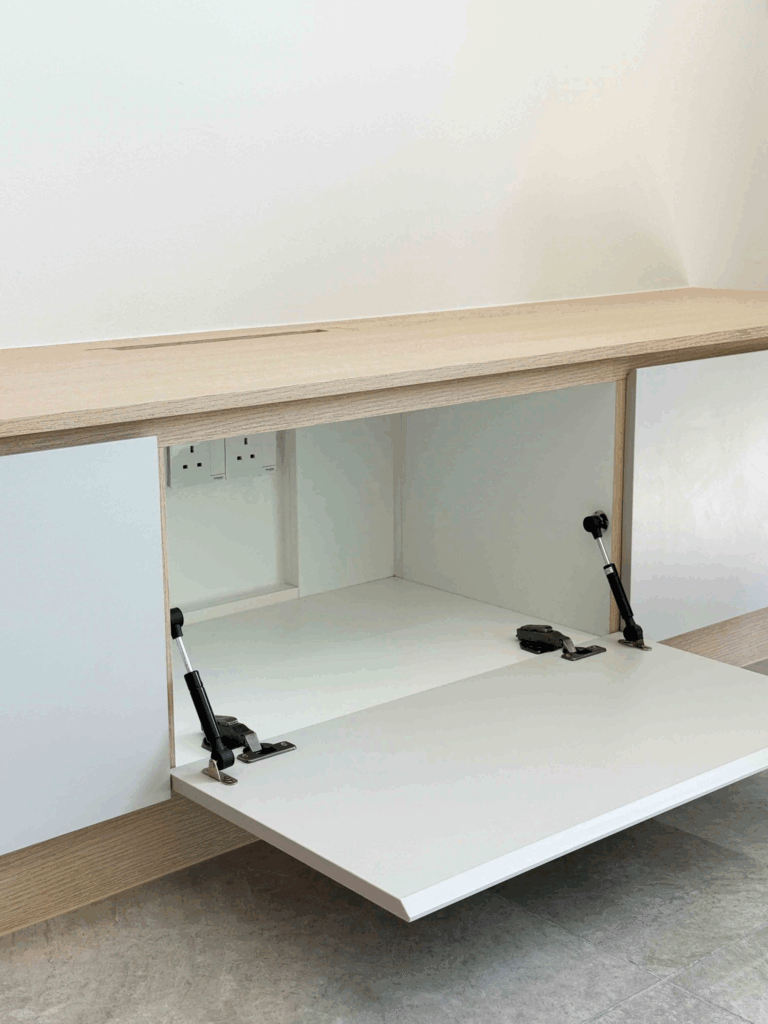
Cabinet doors and drawers that slam shut can startle children and increase the risk of trapped fingers. Soft-close hinges and drawer runners help slow the closing movement, creating a quieter and more controlled experience during everyday use. Make sure the hardware is suitable for the size and weight of your cabinet doors and drawers.
When selecting cabinet hardware, consider soft-close mechanisms for frequently used kitchen cabinets, wardrobes, and drawers. Choosing suitable fittings from the beginning can improve everyday usability and make cabinetry more practical for a busy family home.
6. Design Child-Friendly Storage That Grows with Your Kids
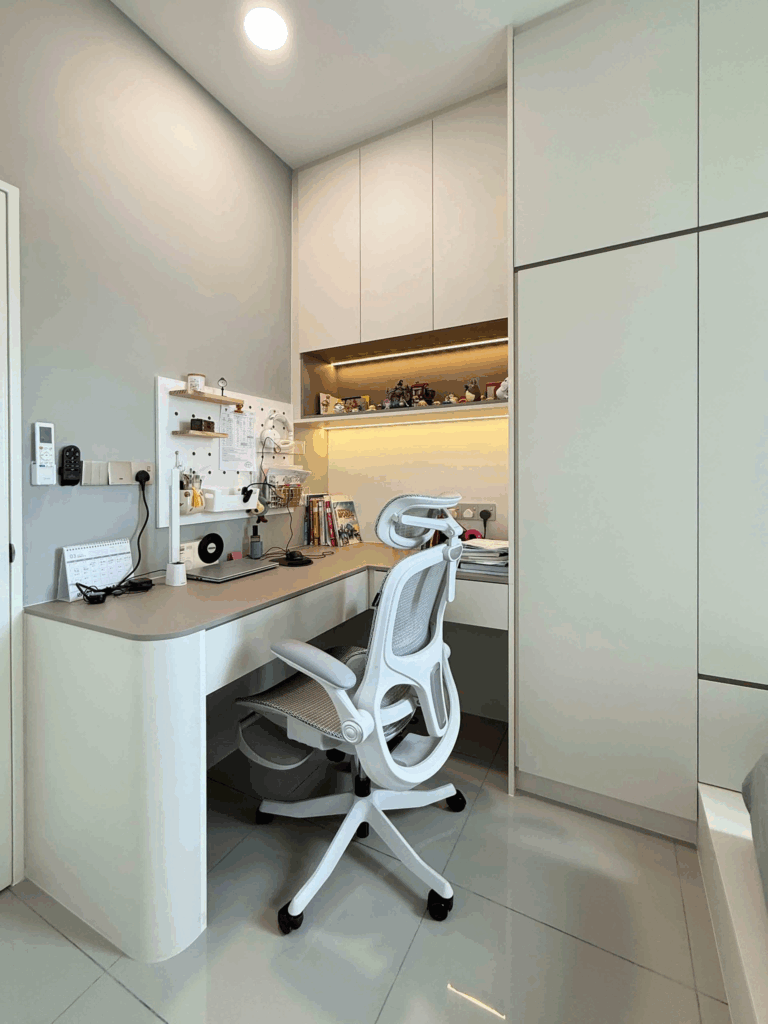
Your children’s storage needs will change as they grow, from toy compartments and picture books to school supplies, clothing, and personal belongings. Plan for these changes by incorporating adjustable shelves, removable dividers, and a combination of open and closed storage. Keep frequently used items at accessible heights while reserving higher compartments for belongings that require adult assistance.
Custom cabinetry allows you to tailor storage to your family’s routines, available space and future needs. A flexible layout can help keep belongings organised as your children grow, reducing the need to replace or redesign entire storage units as their needs change.
7. Choose Durable, Easy-to-Clean Cabinet Materials and Finishes
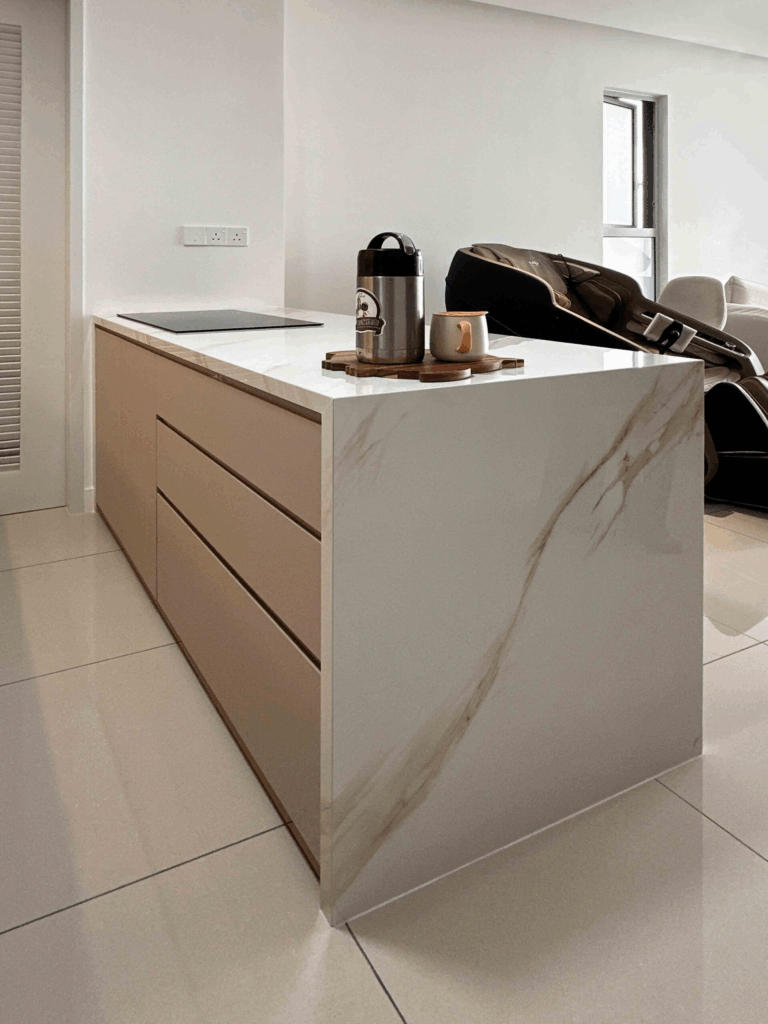
Children’s fingerprints, food spills and everyday handling can quickly leave marks on cabinets. Choose surfaces that are easy to wipe clean and suitable for your intended space, and ask your cabinet supplier about recommended cleaning methods before deciding on a material. Pay attention to the board, edge banding and hardware as well as the visible finish, since these components also affect how well your cabinets hold up over time.
When comparing cabinet materials, consider durability, maintenance requirements and indoor air quality alongside appearance. Choosing materials and finishes that suit your family’s daily routines can help your cabinets remain functional and presentable for years to come.
Conclusion
Creating a safer home for children starts with the everyday details, from the shape of your cabinet corners to the materials used inside your furniture. By choosing low-formaldehyde boards, securing tall storage units, incorporating suitable safety features and planning flexible storage, you can create a home that better supports your children’s safety and your family’s changing needs. With the right cabinet design, you do not have to choose between safety, functionality, and style.
Design Child-Friendly Custom Cabinets with ACE Cabinet Design

Every family has different needs, and the right cabinet design should reflect your home’s layout, lifestyle, and long-term plans. From selecting suitable cabinet materials and finishes to customising storage layouts and hardware, thoughtful planning can help you make more informed decisions for your family.
For a more personalised experience, you are welcome to Contact ACE Cabinet Design today to schedule a free consultation or visit our showrooms.
🔗 Explore more of our designs and services at acecabinetdesign.com.my
FAQs
1. How can I make my home safer for toddlers?
Secure tall furniture to the wall, install child-safety locks on cabinets containing hazardous items, and keep sharp objects and cleaning products out of reach. Choose furniture with rounded corners where possible, consider soft-close cabinet hardware, and keep walkways clear to reduce common household hazards.
2. What are the safest cabinet materials for homes with children?
Consider cabinet materials with verified low formaldehyde emissions, such as ENF-grade boards, to help support better indoor air quality. You should also look for durable surfaces, properly finished edges, and materials suitable for the intended space. Good ventilation and proper cabinet construction are important considerations too.
3. What does ENF mean in cabinet materials?
ENF is a formaldehyde emission classification for wood-based boards under China’s GB/T 39600-2021 standard. It indicates very low formaldehyde emissions, but it does not mean the board is completely formaldehyde-free. Ask your cabinet supplier for supporting test reports when comparing materials.
4. How do I prevent cabinets from tipping over?
Secure tall cabinets, wardrobes and bookshelves to suitable wall structures using appropriate anti-tip brackets and fixings. Keep heavier items on lower shelves, avoid placing tempting objects at heights that encourage climbing, and follow the manufacturer’s installation instructions.
5. Are soft-close cabinets safer for children?
Soft-close hinges and drawer runners slow down the closing movement of cabinet doors and drawers, helping reduce slamming and sudden impacts. However, they do not eliminate the risk of trapped fingers, so children should still be supervised around moving cabinet parts.
6. How do I choose cabinets that will last as my children grow?
Choose flexible storage features such as adjustable shelves, removable dividers, and compartments that can be reorganised over time. Plan for changing needs, from toy storage and books to school supplies and clothing. Durable materials and quality hardware can also help reduce the need for frequent repairs or replacement.


