Formaldehyde in Furniture: Myths and Facts Homeowners Need to Know
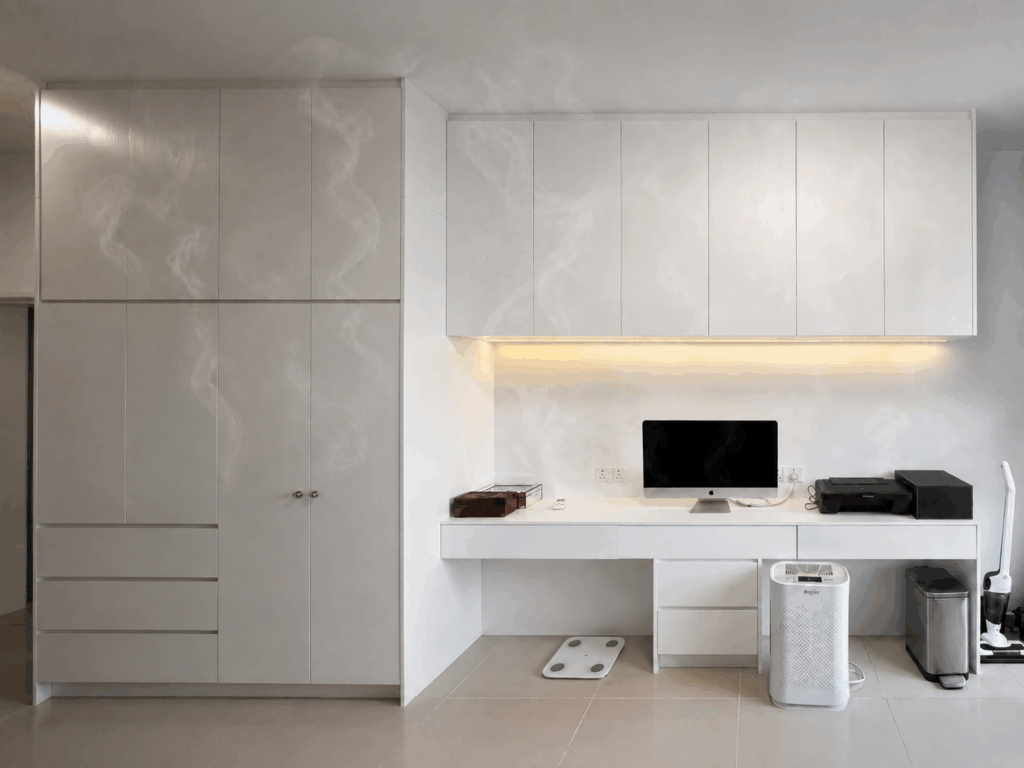
Have you ever bought a new cabinet, wardrobe, or furniture piece and noticed a strong “new furniture smell” when you first brought it home?
Many homeowners assume this smell means the furniture is fresh, new, and high quality. However, that noticeable odour may come from chemicals released by certain materials used during the manufacturing process.
One of the main concerns behind this smell is formaldehyde in furniture.
Formaldehyde is a chemical commonly used in engineered wood products, adhesives, coatings, and other furniture components. While it helps improve bonding strength and durability, excessive formaldehyde emissions can affect indoor air quality, especially in enclosed spaces such as bedrooms, kitchens, and living areas.
As modern homes become more focused on healthier living, choosing furniture with lower formaldehyde emissions has become increasingly important. Understanding where formaldehyde comes from, how emission standards work, and what materials are safer can help homeowners make better decisions when renovating or furnishing their homes.
Key Takeaways
- Formaldehyde in furniture mainly comes from engineered wood, adhesives, coatings, laminates, and finishing materials used during manufacturing.
- The “new furniture smell” may come from chemical emissions released by certain materials and does not always indicate better quality.
- Choosing low-formaldehyde furniture materials can help improve indoor air quality, especially in enclosed spaces like bedrooms, kitchens, and living areas.
- E0 does not mean zero formaldehyde; instead, it refers to a low-emission classification based on specific testing methods.
- ENF (Extremely No Formaldehyde) is one of the strictest formaldehyde emission standards, with an emission limit of ≤0.02 ppm based on CARB/EPA ASTM E1333 chamber testing.
- Malaysia’s indoor environment makes choosing low-emission materials even more important, as lower formaldehyde emissions help create better indoor air quality and a more comfortable living space.
- Choosing furniture based on certifications, internal materials, finishing quality, and trusted manufacturers helps create a healthier and longer-lasting home.
What Is Formaldehyde and Why Is It Used in Furniture?

Formaldehyde is a naturally occurring chemical compound that is widely used in many industries. In furniture manufacturing, it is mainly used because of its strong bonding properties.
When producing engineered wood products such as plywood, MDF, and particleboard, adhesives are needed to hold wood fibres or layers together. Some traditional adhesives contain formaldehyde-based resins because they provide:
- Strong bonding performance
- Better structural stability
- Improved durability
- Cost-effective production
However, after furniture is manufactured, small amounts of formaldehyde may gradually be released into the surrounding air. This process is known as formaldehyde emissions.
The concern is not simply whether formaldehyde exists in furniture, but how much is released over time.
Furniture made with higher-quality, certified low-emission materials is designed to reduce these emissions and improve indoor air quality.
Where Does Formaldehyde in Furniture Come From?
Many homeowners think formaldehyde only comes from the wood itself. However, several components involved in furniture production can contribute to emissions.
1. Engineered Wood Materials
The biggest source of formaldehyde in furniture is often engineered wood.
Unlike solid wood, engineered wood products are created by combining wood particles, fibres, or layers using adhesives.
Common examples include:
- Plywood
- MDF (Medium Density Fibreboard)
- Particleboard
- Melamine boards
The type of adhesive and manufacturing process used can influence the amount of formaldehyde released.
Higher-quality boards use advanced resin technology and stricter emission controls to reduce chemical release.
2. Adhesives and Resins
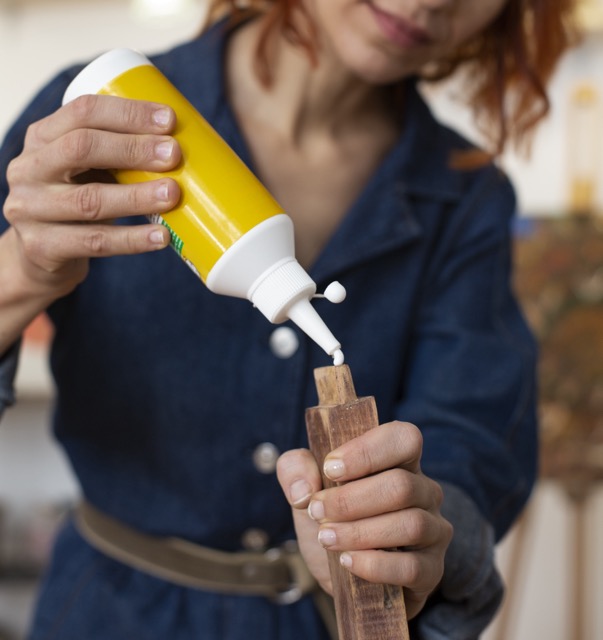
Adhesives are essential in cabinet production because they help bond different layers and components together.
Traditional formaldehyde-based adhesives may release higher emissions if they are not properly controlled.
Modern low-emission materials use improved adhesive systems designed to reduce formaldehyde release while maintaining strength and durability.
For example, ENF-grade boards use ultra-low formaldehyde adhesive technology to achieve extremely low emission levels.
3. Coatings and Surface Finishes
Furniture surfaces often include:
- Paint
- Protective coatings
- Decorative laminates
- Melamine finishes
These finishes improve appearance and durability, but certain coatings may contribute to VOC emissions if lower-quality materials are used.
Choosing furniture made with certified materials helps reduce unnecessary chemical emissions.
4. Laminates and Edge Finishing
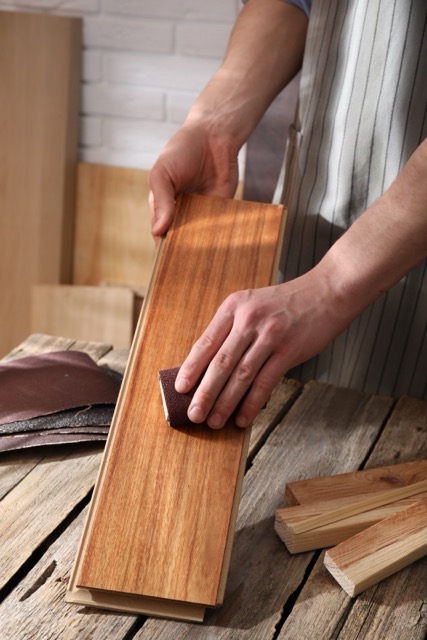
Even small details such as cabinet edges can influence overall furniture performance.
Proper edge sealing helps protect the board core and maintain the material’s quality over time. Poor-quality finishing may affect the overall performance of the furniture and its ability to retain its intended properties.
At ACE Cabinet Design, PUR (Polyurethane Reactive) edge banding technology is used to create a stronger seal, helping improve edge protection and maintain the quality of the cabinet structure.
Formaldehyde Emission Standards Explained: E1, E0, Super E0 and ENF
When choosing furniture materials, homeowners often encounter terms like E1, E0, Super E0, and ENF. However, these terms are often misunderstood because they come from different global standards and use different testing methods.
1. Two Different Standards, Not One
| System | Country / Region | Test Method | Unit of Measurement | Grades Under This System |
| CARB / EPA (US) | United States | Large Chamber ASTM E1333 | ppm (sometimes converted to mg/m³) | ENF, NAF, P2, P1 |
| JIS / European (F & E Grades) | Japan & Europe | Desiccator / Perforator | mg/L | F4 (Super E0), F3 (E0), F2 (E1), F1 (E2) |
Important note:
ENF belongs to the American regulatory system (CARB/EPA), whereas Super E0, E0, and E1 belong to the Japan/Europe formaldehyde rating system.
2. Emission Limits by Grade
| Grade | Standard System | Emission Limit | Test Unit |
| ENF | CARB / EPA (US) | ≤ 0.02 ppm | Chamber Test |
| F4 (Super E0) | Japan/Europe | ≤ 0.3 mg/L | Desiccator Test |
| F3 (E0) | Japan/Europe | ≤ 0.5 mg/L | Desiccator Test |
| F2 (E1) | Japan/Europe | ≤ 1.5 mg/L | Desiccator Test |
Important note:
ppm and mg/L are different units from different testing methods. The values above cannot be directly compared numerically.
3. Final Takeaway
Both ENF (US) and Super E0 (Europe/Japan) represent the highest and safest ultra-low formaldehyde level within their respective systems but they are not the same standard and their numbers cannot be directly compared.
- ENF = top level in the US system
- Super E0 = top level in the Japan/ Europe system
- Both are excellent choices for healthy indoor cabinetry
Want to understand more about what makes ENF-grade boards different and why they are becoming a preferred choice for modern homes? Read Guide to ENF Board: The Ultimate Low Formaldehyde Material for Cabinets.
Why Formaldehyde in Furniture Is a Bigger Concern in Malaysia’s Climate
Malaysia’s tropical climate and indoor living conditions make choosing low-emission furniture materials increasingly important.
Higher temperatures can accelerate the release of chemical emissions from certain furniture materials, including formaldehyde. Since cabinets and built-in furniture are often placed in enclosed areas such as:
- Kitchens
- Bedrooms
- Living areas
- Wardrobes
Homeowners should consider not only the appearance of furniture but also the material quality inside.
Choosing furniture made with certified low-formaldehyde materials can help reduce concerns about formaldehyde in furniture and create a more comfortable indoor environment. A beautiful cabinet should not only enhance your home’s design but also support healthier living.
7 Myths About Formaldehyde in Furniture
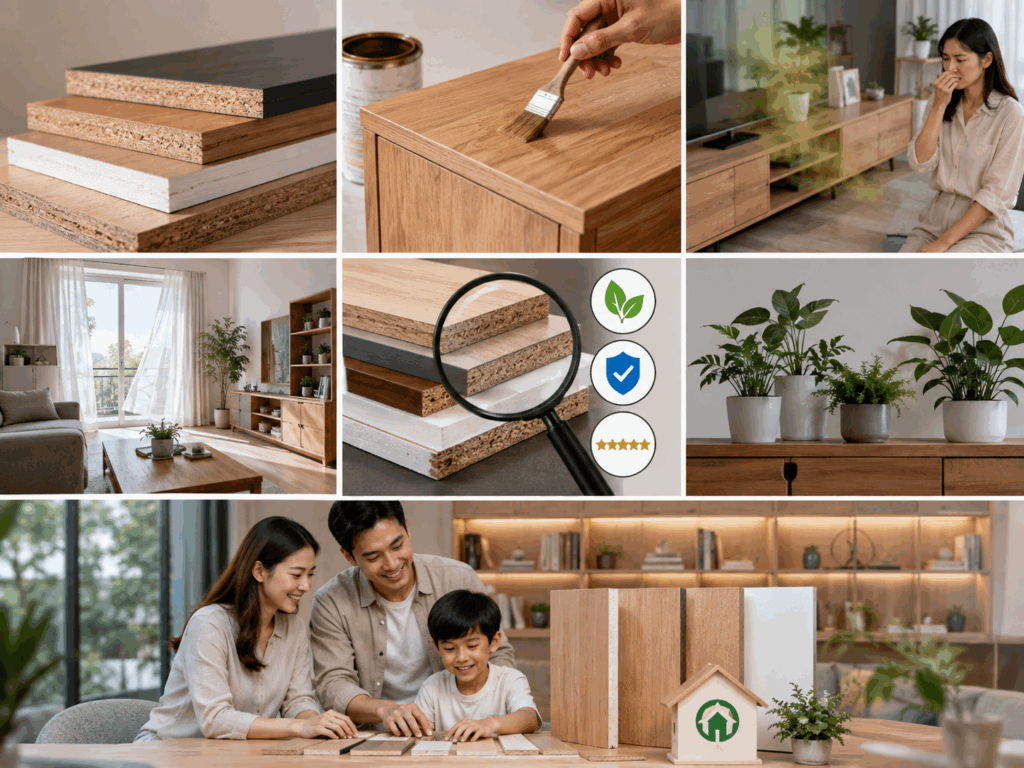
Myth 1: E0 Means Zero Formaldehyde
- E0 = low formaldehyde, not zero.
- For even lower emissions, choose ENF Grade (≤0.02 ppm).
Myth 2: Solid Wood Is Always Formaldehyde-Free
- Natural wood has very low formaldehyde.
- But adhesives, paint, coatings, and finishes may still release formaldehyde.
Myth 3: No Smell Means Safe
- Odour may disappear after a few days.
- Formaldehyde can still be released over time.
- Smell is not a reliable safety indicator.
Myth 4: Ventilation Solves Everything ️
- Ventilation helps reduce indoor formaldehyde.
- But it doesn’t stop furniture from emitting it.
- Choose low-emission materials for better protection.
Myth 5: Eco Labels Mean Low Formaldehyde
- “Eco-friendly” doesn’t always mean low formaldehyde.
- Check for certifications like:
- ENF Grade
- Super E0
- Japanese F★★★★
Myth 6: Plants Can Remove Formaldehyde Completely
- Plants may improve air quality.
- But they can’t eliminate formaldehyde from furniture.
- The best solution is choosing certified low-emission boards.
Myth 7: Low Formaldehyde Boards Are Too Expensive
- They are a long-term investment.
- Benefits include healthier indoor air, better durability and better long-term value
How to Choose Furniture with Lower Formaldehyde Emissions
Since formaldehyde in furniture mainly comes from materials such as engineered wood, adhesives, and finishing components, choosing the right materials is an important step towards creating a healthier home environment.
Here are some factors to consider:
1. Check the Formaldehyde Emission Certification
Look for furniture made with engineered wood panels that comply with recognised formaldehyde emission standards or regulations, such as:
- ENF (Extremely No Formaldehyde) – One of the strictest formaldehyde emission standards under the CARB/EPA system
- Super E0 – An ultra-low formaldehyde emission classification used by some manufacturers to indicate emissions below conventional E0 levels.
Since these standards are developed by different organisations and may use different testing methods, they should not be directly compared. If indoor air quality is a priority, choose products that clearly state the certification or regulation they comply with and provide independent test reports where available.
2. Understand the Materials Used Inside
A cabinet may look beautiful on the outside, but the materials used inside determine its overall quality and emission performance.
Consider factors such as:
- Type of wood core used
- Adhesive technology
- Manufacturing process
- Formaldehyde emission standards
Choosing the right internal material is important because the board and adhesives used can directly affect the level of formaldehyde emissions released from furniture. Selecting certified low-emission materials helps create a healthier and more comfortable indoor environment.
3. Pay Attention to Finishing Quality
Furniture quality depends on more than just the board material. Details such as edge sealing, surface finishing, adhesive quality, and installation workmanship can also influence overall performance.
Proper finishing helps ensure the furniture remains well-protected and maintains its quality, while choosing high-quality materials and production methods can help minimise potential formaldehyde emissions from different furniture components.
At ACE Cabinet Design, PUR (Polyurethane Reactive) edge banding technology is used to provide stronger edge protection and help maintain cabinet quality over time.
4. Choose a Trusted Cabinet Manufacturer
The right material needs to be supported by proper manufacturing and installation. A reliable cabinet manufacturer should have expertise in material selection, quality control, production processes, and installation methods. This ensures your cabinets are not only visually appealing but also built for long-term performance.
How to Reduce Formaldehyde Smell from New Furniture
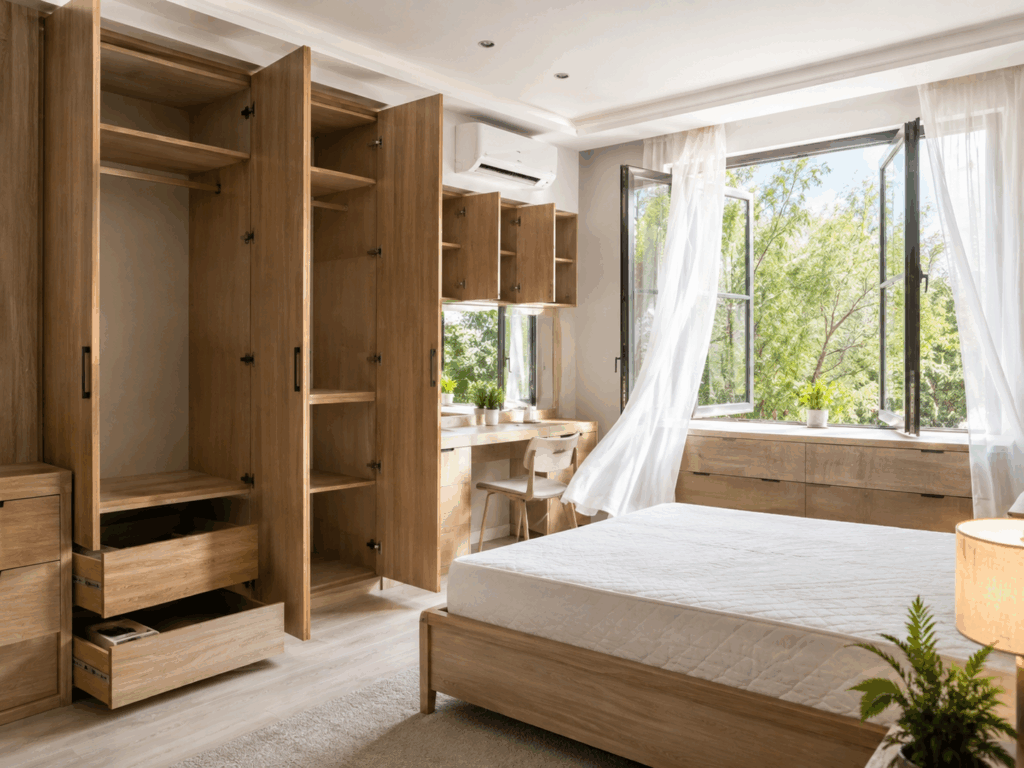
A “new furniture smell” often comes from VOCs released by materials such as adhesives, coatings, and engineered wood. While the smell may fade over time, it does not always mean emissions have completely disappeared.
Here are some ways to reduce the smell:
1. Improve Air Ventilation
Open windows and doors regularly to improve airflow and help disperse airborne emissions.
2. Allow Furniture to Air Out
Keep cabinet doors and drawers open after installation to allow fresh air circulation inside enclosed spaces.
3. Maintain Proper Humidity
Maintaining a comfortable indoor environment can help improve overall air quality. Using air conditioning or ensuring good ventilation can help promote better air circulation and reduce the concentration of airborne emissions from furniture.
4. Choose Low-Emission Materials
The best way to reduce concerns about formaldehyde in furniture is by choosing certified low-emission materials, such as ENF-grade boards, from the beginning. These materials are designed to minimise emissions while providing better indoor air quality.
Conclusion
Furniture is more than just a design element in your home. The materials used inside your cabinets and furniture can affect not only their durability but also your indoor environment.
Understanding formaldehyde in furniture helps homeowners make smarter renovation decisions by looking beyond appearance and focusing on material quality, emission standards, and long-term performance.
From E1, E0, and Super E0 to the advanced ENF (Extremely No Formaldehyde) standard, choosing the right materials can make a meaningful difference in creating a more comfortable living space.
At ACE Cabinet Design, we believe a beautiful home should also be a healthier one. With solutions such as ACE Ultra Ply ENF-grade plywood, homeowners can enjoy cabinets designed with ultra-low formaldehyde emissions, strong durability, and better protection against Malaysia’s humid climate.
Choose ENF-Grade Cabinets for a Healthier Home with ACE Cabinet Design!

Understanding formaldehyde in furniture is the first step towards making a smarter renovation decision. By choosing certified low-emission materials such as ENF-grade ACE Ultra Ply, you can enjoy cabinets that are designed for better indoor air quality, durability, and long-term peace of mind.
At ACE Cabinet Design, we are committed to creating cabinetry solutions that combine stylish designs with safer, high-performance materials. Whether you are renovating your kitchen, wardrobe, or entire home, our team can help you select the right cabinet solution that suits your lifestyle and needs.
For a more personalised experience, you are welcome to Contact ACE Cabinet Design today to schedule a free consultation or visit our showrooms.
🔗 Explore more of our designs and services at acecabinetdesign.com.my
FAQs
1. What causes the “new furniture smell”?
The “new furniture smell” is usually caused by VOCs (volatile organic compounds) released from materials such as engineered wood, adhesives, coatings, and finishes. While the smell may fade over time, it does not always mean formaldehyde emissions have completely disappeared.
2. Does E0 mean the furniture has zero formaldehyde?
No. E0 does not mean there is absolutely no formaldehyde in the material. It refers to a low formaldehyde emission classification based on specific testing standards. For stricter emission control, ENF-grade materials offer a much lower emission limit.
3. What is ENF-grade material?
ENF (Extremely No Formaldehyde) is one of the strictest formaldehyde emission standards under the CARB/EPA system. ENF-grade materials have a formaldehyde emission limit of ≤0.02 ppm based on ASTM E1333 chamber testing, making them a preferred choice for homeowners who prioritise healthier indoor environments.
4. Is solid wood furniture always formaldehyde free?
Not necessarily. While natural wood contains only naturally occurring levels of formaldehyde, furniture may still contain adhesives, coatings, paints, or finishing materials that contribute to emissions.
5. How can I reduce the formaldehyde smell from new furniture?
Improving ventilation, allowing furniture to air out, and maintaining proper humidity levels can help reduce the smell. However, the best approach is choosing furniture made with certified low-emission materials from the beginning.
6. Why should I choose low-formaldehyde cabinets in Malaysia?
Malaysia’s warm climate and indoor lifestyle make choosing furniture with lower formaldehyde emissions increasingly important. Since cabinets are often installed in enclosed areas where people spend significant time, selecting low-formaldehyde materials can help support better indoor air quality and create a more comfortable living environment.
Materials such as ENF-grade ACE Ultra Ply are designed with ultra-low formaldehyde emissions, making them a suitable choice for homeowners who prioritise healthier and safer homes.